MOQ, Samples and Lead Time: A Buyer’s Guide to Storage Product Orders
Learn what MOQ, sample time and pr…
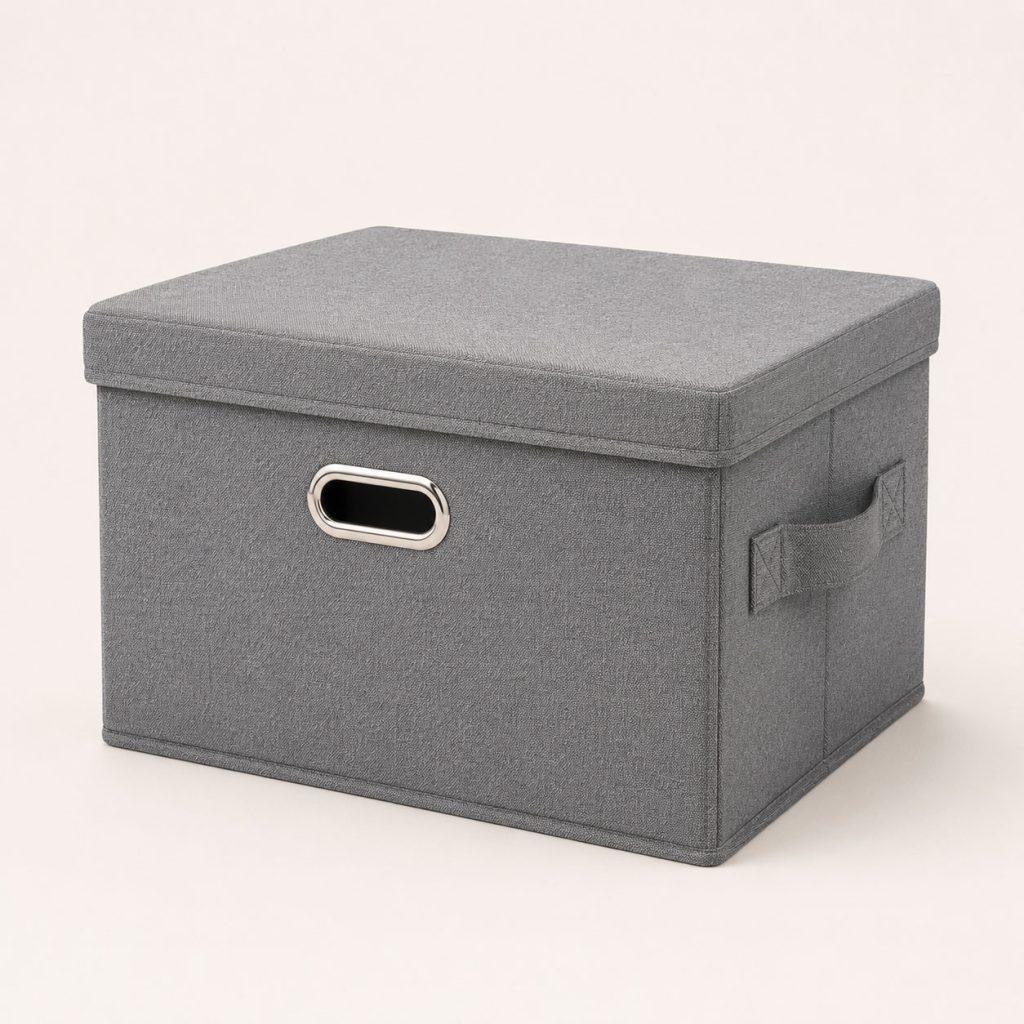
MOQ, sample time and production lead time are three of the most common questions in a storage product inquiry. They are also frequently misunderstood. A number shown on a product page is a useful starting point, but the final answer depends on material, color, branding, packaging, quantity and factory schedule.
What MOQ actually represents
MOQ means minimum order quantity, but it can apply at several levels. A supplier may have a total order MOQ, a per-color MOQ, a per-size MOQ and a printing or packaging MOQ. For example, 500 pieces may be possible for one standard color, while splitting the same order into five custom colors may not be practical.
Ask whether the stated MOQ applies to one model, one color and one package. If you need a mixed order, provide the exact quantity breakdown.
Why customization changes MOQ
Custom fabric dyeing, printed logos, woven labels and retail packaging often have their own production minimums. A supplier may be able to make a small number of storage boxes, but the label or printed bag supplier may require a larger batch.
When testing a market, consider using a standard material and color with a simpler label. This can reduce development risk while keeping the product identifiable as your brand.
Sample time is more than production time
A published sample time usually assumes that the specification and artwork are ready. The schedule can include material preparation, pattern adjustment, logo proof, sewing, internal review and delivery to the buyer. Revisions add another cycle.
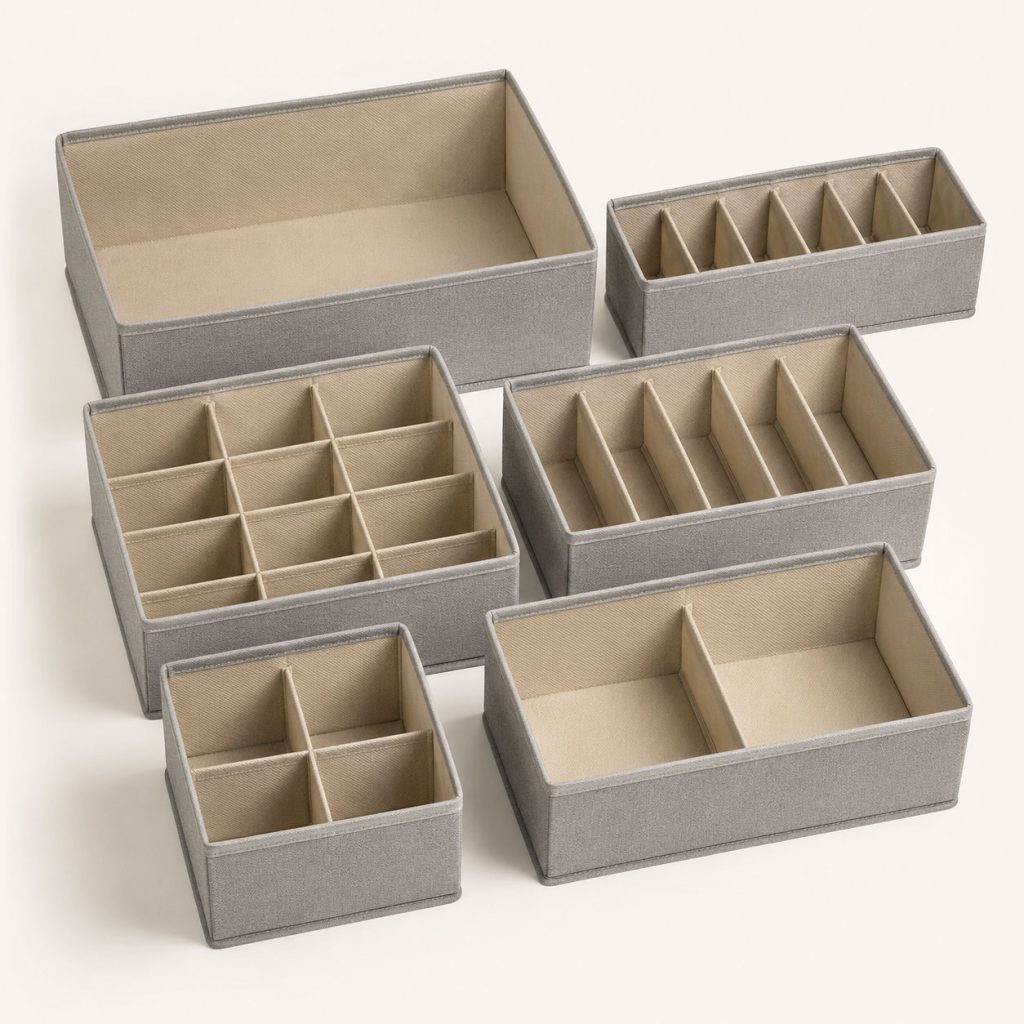
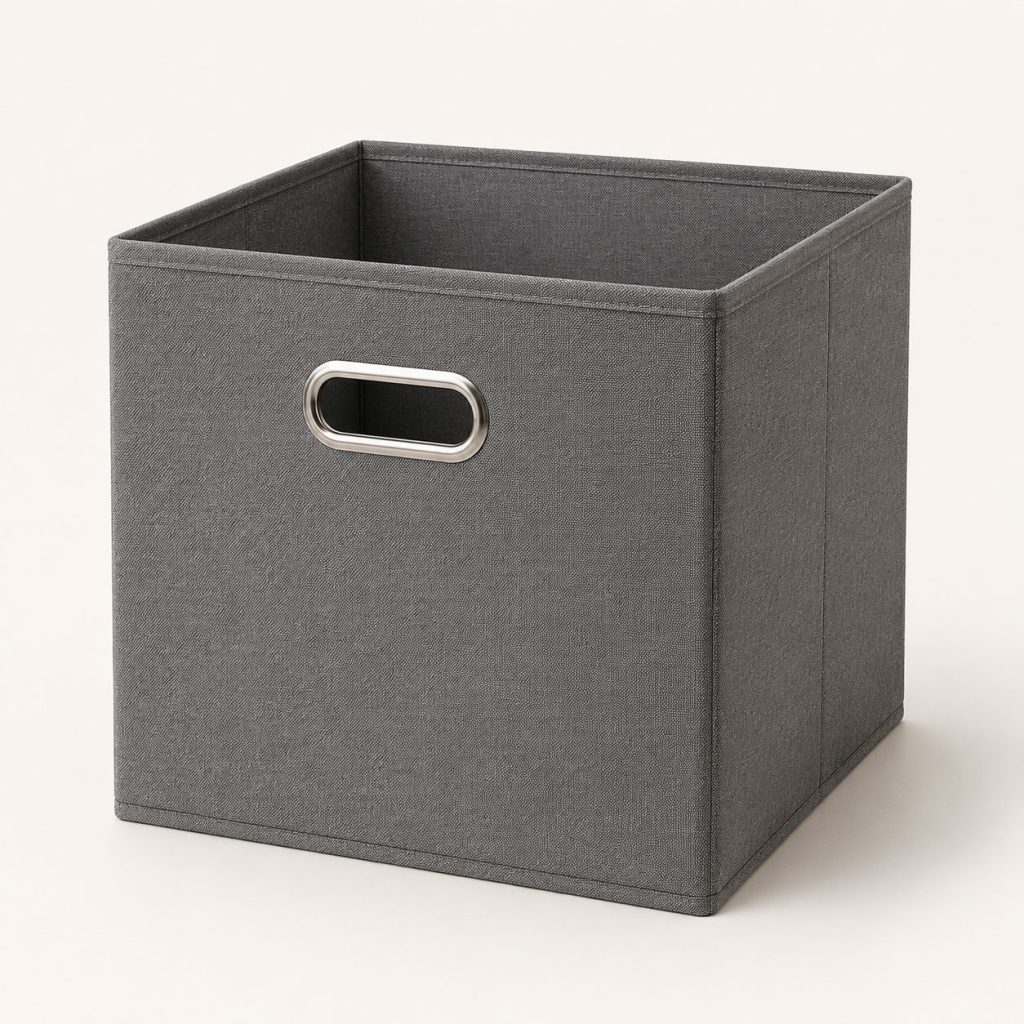
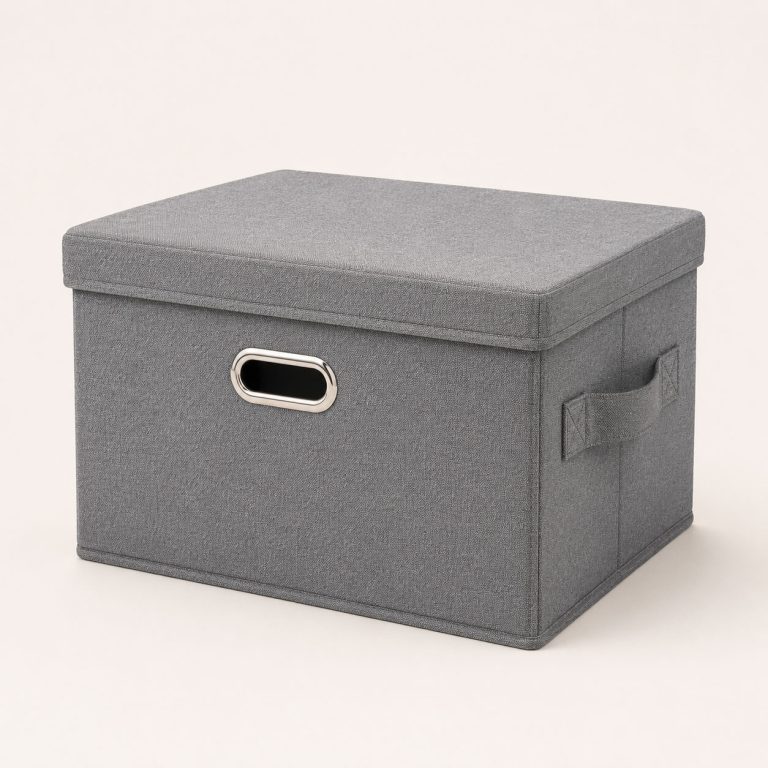
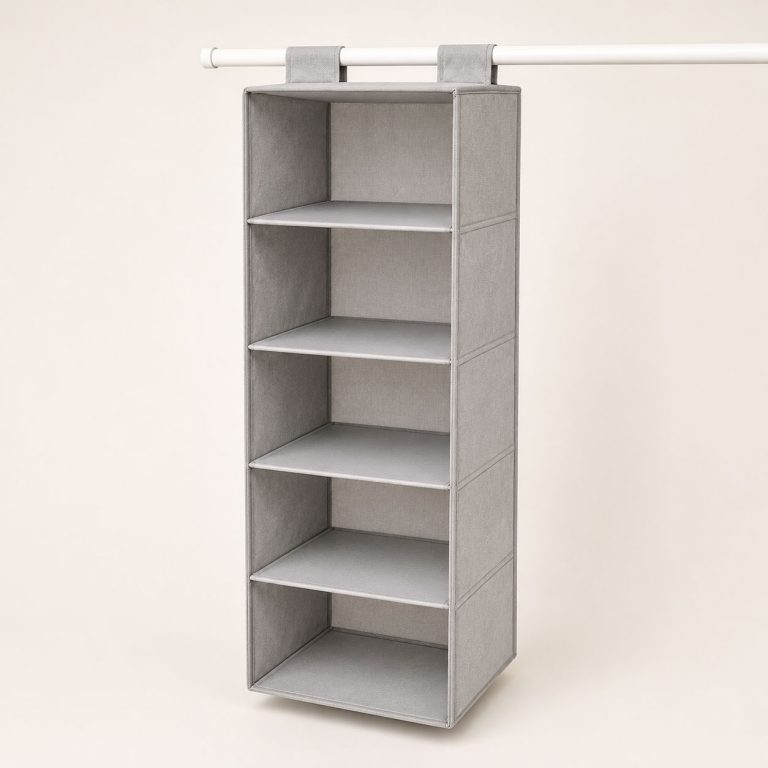
Qigu Home’s published storage box example lists a sample time of 5–7 days. A custom material, new packaging or complex artwork could require a different schedule, so the buyer should confirm the timing for the actual project.
Production lead time starts after approval
Lead time should be tied to a clear starting point, normally deposit receipt and final approval of product, artwork and packaging. If approval is incomplete, the factory may be unable to order materials or reserve production.
The published lead time of 25–35 days for one foldable fabric storage box is a useful reference for that product specification, not a universal promise for every item or season.
Build a realistic project schedule
| Stage | Buyer action | Possible timing factor |
|---|---|---|
| Inquiry | Send complete requirements | Missing size, material or quantity |
| Quotation | Confirm assumptions and commercial terms | Custom packaging or testing |
| Sample | Review product and submit consolidated feedback | Material sourcing and revisions |
| Approval | Approve product, artwork and package | Late or conflicting comments |
| Production | Monitor agreed milestones | Order size, colors and capacity |
| Shipment | Confirm documents and booking | Freight schedule and destination |
Questions that produce a more reliable answer
- Is the MOQ per model, color, size or total order?
- Can standard colors be mixed, and at what quantity?
- Does the sample time include custom logo and packaging?
- What event starts the production lead time?
- Does the schedule include inspection and packing?
- Are materials available now, or must they be specially produced?
- What shipment date is realistic for the destination market?
Avoid planning backward from the selling date alone
Buyers often focus on the required arrival date but leave little time for sample revisions, inspection or freight. Build the schedule backward from the delivery target and include buffer for approvals and transportation.
The most reliable quotation is based on a clear specification and quantity breakdown. Once those details are stable, MOQ and lead time become planning tools rather than vague promises.