Non-Woven Fabric vs Oxford Cloth vs Cotton-Linen Storage Organizers
Compare three common fabric direct…
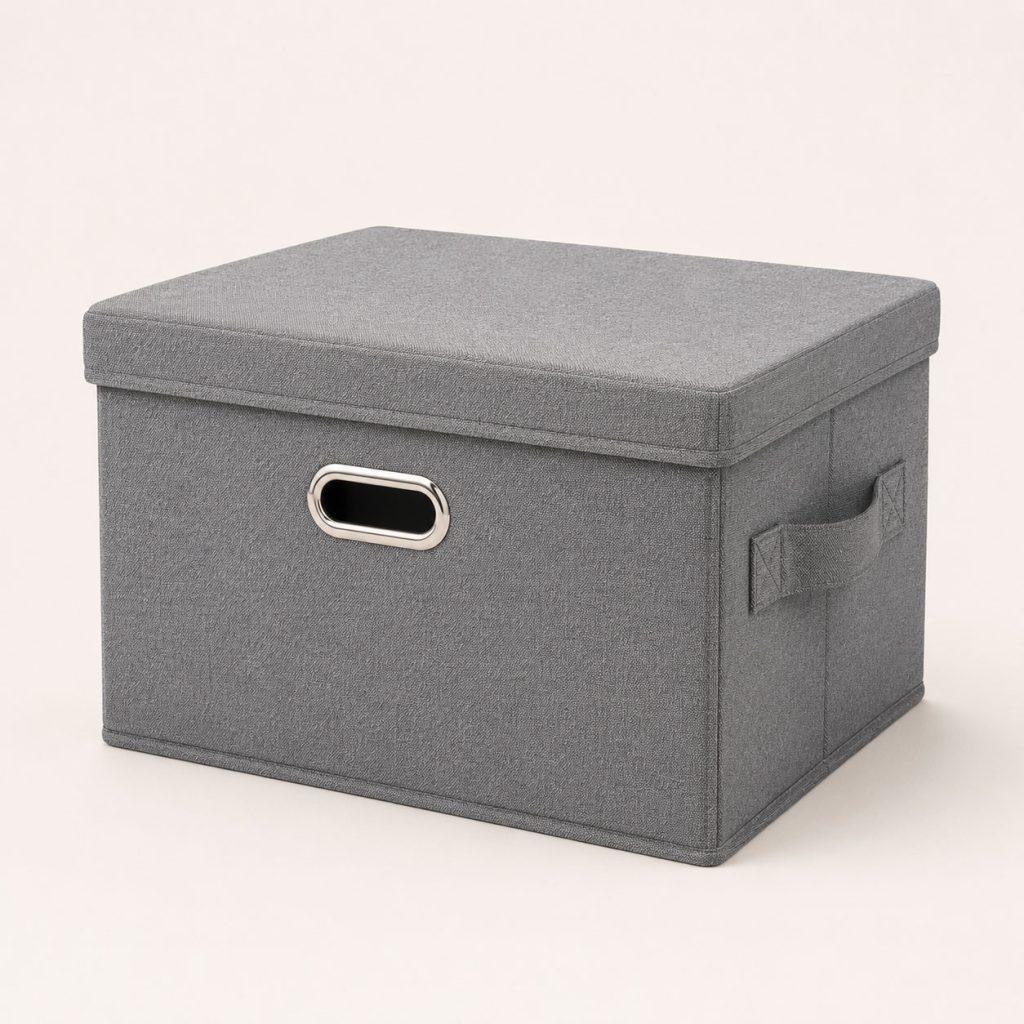
Material selection is one of the first decisions in a fabric storage project. Non-woven fabric, Oxford cloth and cotton-linen style fabrics can all be used for organizers, but they serve different price points and customer expectations. The best option is not automatically the strongest or most expensive one; it is the material that fits the product structure, target market and retail price.
Non-woven fabric: practical and cost-efficient
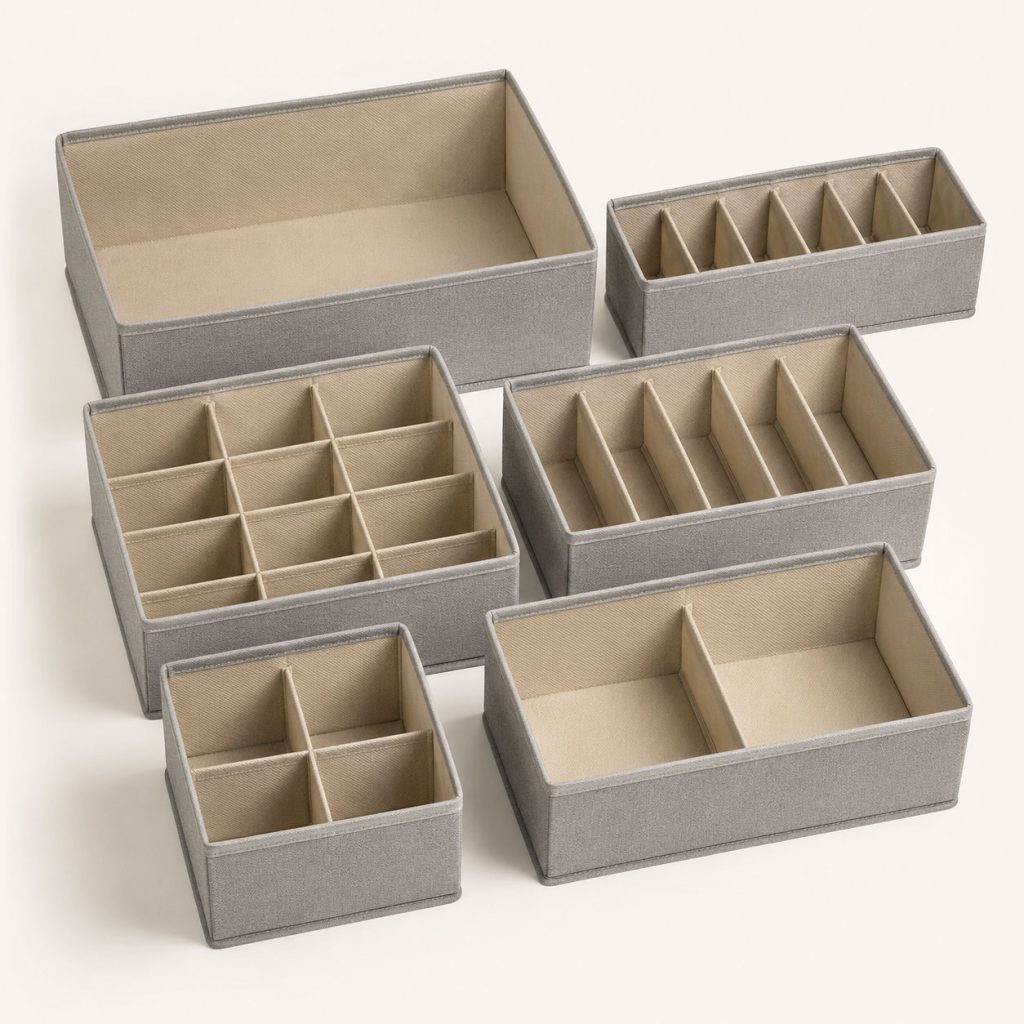
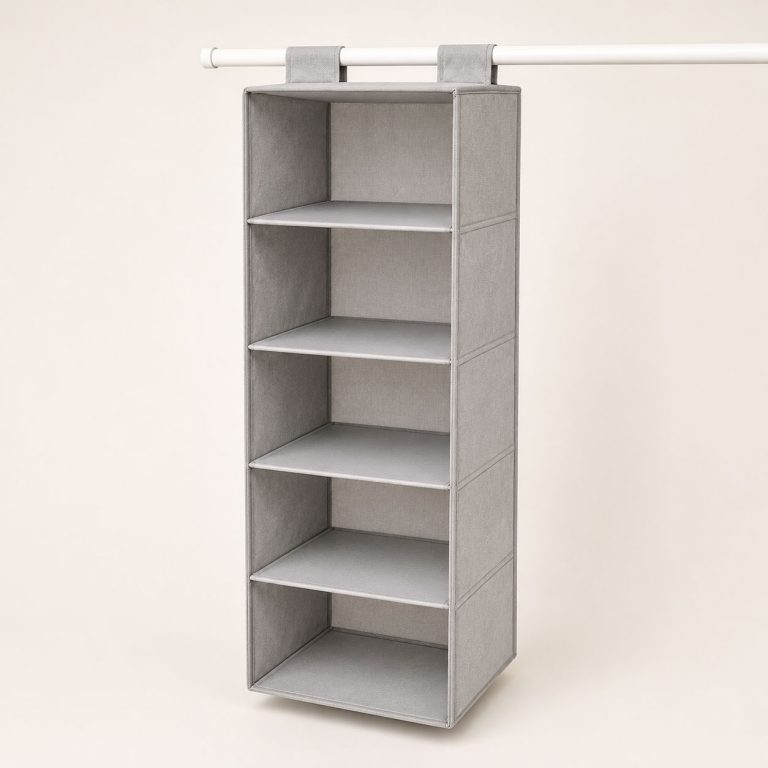
Non-woven fabric is widely used for foldable storage boxes, drawer organizers and clothes storage bags. It is lightweight, available in many colors and suitable for products that need to fold flat. When combined with reinforced cardboard, it can create a stable box without adding excessive weight.
Its main advantages are cost control, easy processing and low packed volume. However, buyers should not treat all non-woven fabric as identical. Confirm fabric weight, surface finish, odor, color consistency and resistance to tearing around stitched areas. Handles and zippers often reveal construction quality faster than the main panel.
Oxford cloth: stronger and more suitable for repeated handling
Oxford cloth is a woven fabric frequently selected for laundry baskets, storage bags and products that may be carried or moved regularly. Depending on the specification and coating, it can provide better abrasion resistance and a more durable hand feel than basic non-woven material.
The trade-off is usually higher material cost and a different folding behavior. A thick coated Oxford fabric may be durable but can create more bulk in packaging. Buyers should also ask whether the coating is intended for water resistance, easy cleaning or only appearance, because these are not the same performance claim.
Cotton-linen style fabric: stronger visual value
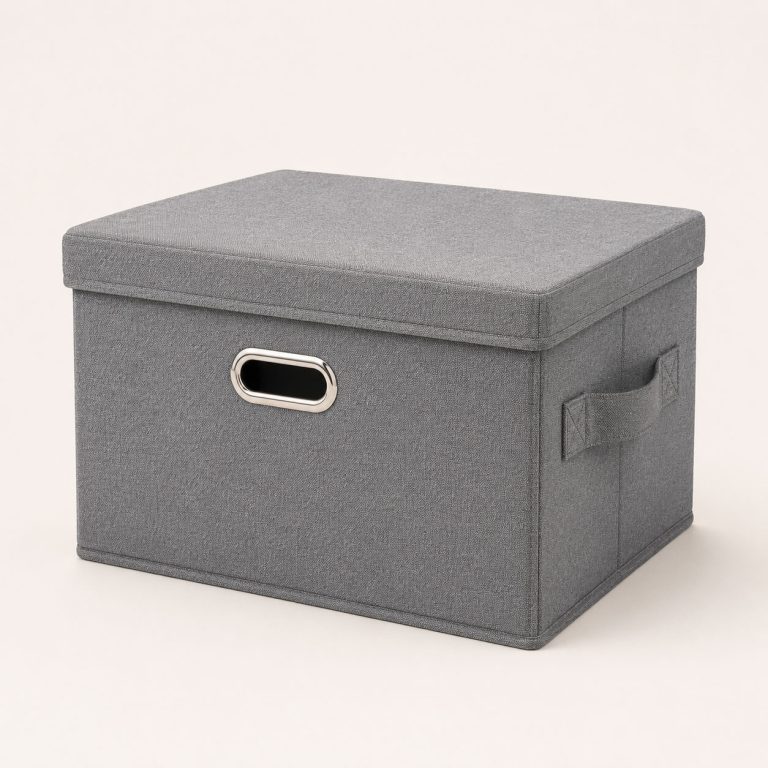
Cotton-linen and linen-look fabrics are often chosen for visible home storage products where texture and interior styling matter. They can help a storage box or basket fit a premium, natural or Scandinavian-inspired collection.
Appearance alone is not enough. Confirm the actual fiber composition, backing, shrinkage behavior, color fastness and whether the fabric is laminated to another layer. A “linen-look” description may refer to texture rather than fiber content, so the specification and labeling must be accurate.
How the three options compare
| Material direction | Typical strengths | Points to verify |
|---|---|---|
| Non-woven fabric | Lightweight, foldable, cost-efficient | Weight, tear resistance, odor, reinforcement |
| Oxford cloth | Durability, repeated handling, coating options | Fabric specification, coating purpose, packed bulk |
| Cotton-linen style | Texture, premium appearance, home décor fit | Fiber content, backing, color fastness, labeling |
Match the material to the product structure
A material cannot be evaluated separately from the rest of the organizer. A laundry basket needs a structure that stays open and handles that support the expected load. A drawer organizer needs accurate compartment dimensions and enough stiffness to keep its shape. A lidded storage box depends heavily on panel reinforcement and lid fit.
Ask for a complete sample, not only a fabric swatch. The sample should be tested in the way the customer will use it: filled, carried, folded, opened and stored for several days.
Questions to include in a material inquiry
- What is the exact fabric type, weight and composition?
- Is there a coating, lamination or backing?
- What reinforcement material is used inside the product?
- Which color standard will be used for approval?
- Are applicable material compliance or performance reports available?
- Will the bulk material match the approved sample?
A well-defined material specification helps protect product consistency across repeat orders. It also prevents a quotation from looking cheaper simply because the supplier calculated a lighter or less durable construction.